Lhomwe Culture
Values we live by and traditions we celebrate
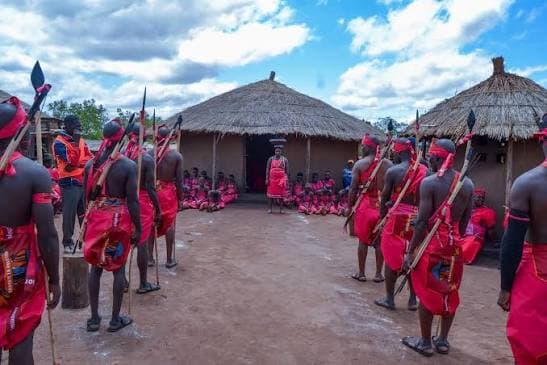
We are a vibrant community with deep and rich cultural heritage. Our cultural tapestry if deeply rooted in the African beliefs which are lived through recognition and respect of elders and spiritual ancestors. It is deeply embedded in African cultural structure with different dialects and unique characteristics. From the time of our migration and presence in Malawi, our cultural heritage has remained resilient in the face of numerous situations that posed significant social and political challenges to its preservation. Today the Lhomwe cultural community remains one of the largest; predominantly found in the Southern part of Malawi known at the Lhomwe belt consisting of Mulanje, Chiradzulu, Thyolo and Phalombe and part of Zomba. However due to labour, business and marriages, Lhomwe people have scattered across the country and are found in all the districts of Malawi
Read our history →Intangible Cultural Heritage
Spiritual Consciousness
Lhomwe spiritual consciousness is deeply rooted in the belief of Muluku (Creator) — the ultimate source of life, with ancestral spirits (Mizimu) serving as mediators.
Due to the spread of Christianity and Islam, Lhomwe were among the many tribes whose members were converted to these two beliefs. However, Lhomwe history of spiritual consciousness is deeply rooted in the belief of Muluku (Creator). Muluku is believed to be the ultimate source of life. Between Muluku and the people there is a spiritual layer (Mizimu) who are consulted about Muluku to provide guidance, mediation and often meet during offering of sacrifices. The Lhomwe people also believe in sacred places like Mount Mulanje, where the legend of Napolo connected to ancestral mythical figures happened. The founding of the Mulhako wa Alhomwe Cultural Festival has spurred revivals of many cultural beliefs and respect for surrounding environmental and blending of traditional beliefs with Christianity. Today it is common to see Lhomwe mentioning the name of God of Christians (Mulungu) and Yesu in their traditional spiritual ceremonies.
Environmental and Medicinal Knowledge
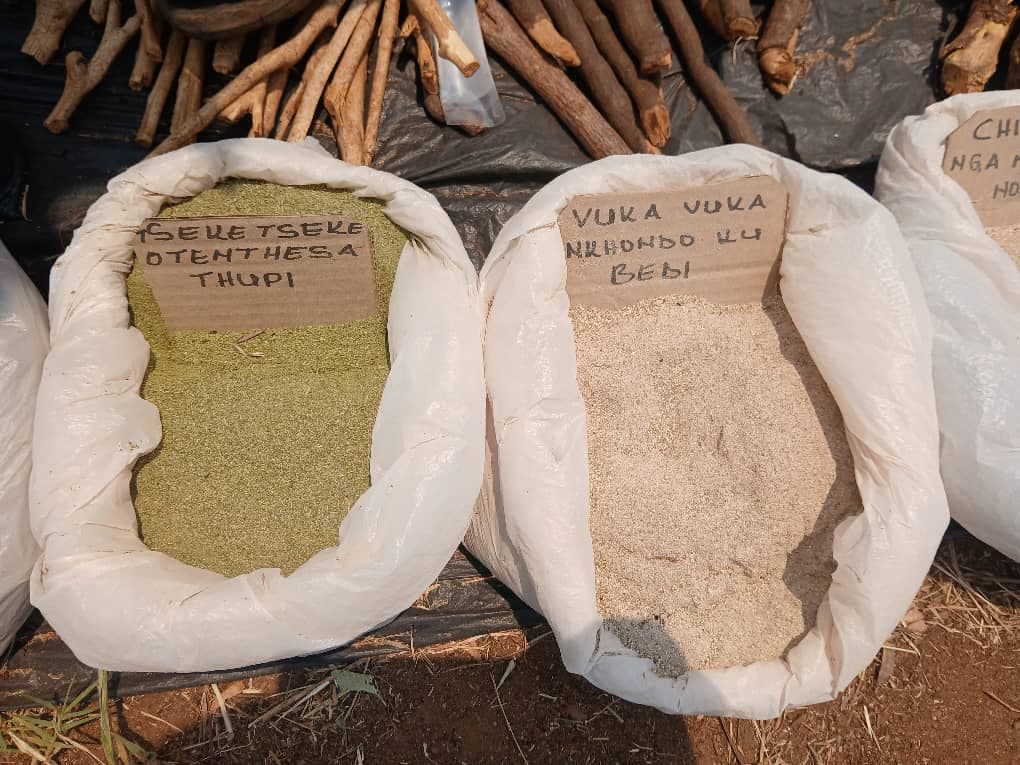
The Lhomwe people have in-depth indigenous medicinal and traditional ecological knowledge that supports environmental stewardship and forms part of primary healthcare.
The unique thing about Lhomwe medicinal knowledge lies in that fact that it is primarily not used to harm others but rather defend oneself from curses, misfortunes, infertility, farming, and luck charms. A traditional Lhomwe man cannot travel long distance for work or business without a luck charm or a defensive one. The medicinal structure of Lhomwe people typically has remedies made from roots, leaves and tree barks. They can be crushed, soaked in water and dried and taken as powder. They heal such aliments lie malaria, gastrointestinal issues, respiratory conditions and reproductive health. The most commonly used trees for medicinal purposes include mwaavi (mbabvi), mvariha, mweelha-kholhe, mwanaphevo, gondolosi, tukulhi, ekhura, yamuddhulhu (moringa) changamasi (ginger) and others. Conserving the environment has always been the indigenous way of living among the Lhhomwe people, from earliest times the Lhomwes' practiced selective harvesting where traditional healers use strategies to conserve trees through avoidance of excessive debarking or exposing the roots. They also allowed the environment to regenerate by conducting secretive collection at given times supported by revelations from the spiritual world. Most Lhomwe communities grow and conserve many medicinal and timber trees. The most used one include: Lhomwe herbalists forms part of the cultural preservation in terms medicinal knowledge and teat a wide variety of human ailments. This activity relies deeply on the relationship with ancestral spirits and woodland.
Oral Traditions and Folklores
The nsimi in Alhomwe or nthano in Chichewa, are pure oral stories that have been passed down by grandparents, often told during evening time around the fire.
The nsimi in Alhomwe or nthano in Chichewa, are pure oral stories that having been passed down by grandparents. They were often said during evening time around the fire inside the glass fenced compound. They are vital educational stories, entertaining and teaching of moral, responsibility and how to settle disputes. Lhomwe folklore mainly consisted on stories that feature animals and human-characters, like tortoise, hare and elephants. They also contain mythology and legends associated with sacred places in Mulanje Mountain especially the Sapitwa Peak. They are also stories about spiritual veneration reflecting on Lhomwe beliefs in the Supreme Being called Muluku and respects for ancestors. They are also contain a rich content of proverbs, and historical narratives and preserve ancient wisdom.
Tangible Cultural Heritage
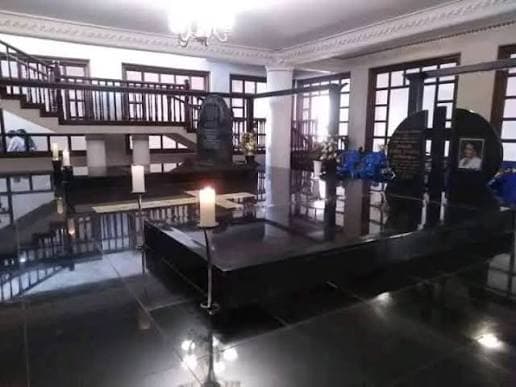
Mpumulo wa Bata
At Ndata farm's Mpumulo wa Bata rests the founding Father and first Patron of the Mulhako wa Alhomwe Cultural Heritage Trust together with his wife Ethel Mutharika.
Since he was buried, many Lhomwes have continued with the tradition of late Mapwiya Muuphlae offering sacrifices to Muluku through the spirits pf our ancestors. Over the years, many Lhomwe people have been making pilgrimage to the sacred Mpoza Tree at Ndata to remember the spirit of Bingu through sacrifices and celebrate the sacrifices he made and the vision of the united Lhomwe community he had. There are proven evidence of answered prayers through the offering of ufa, eggs, masese, kachasu, roasted raw meat and other surficial items.
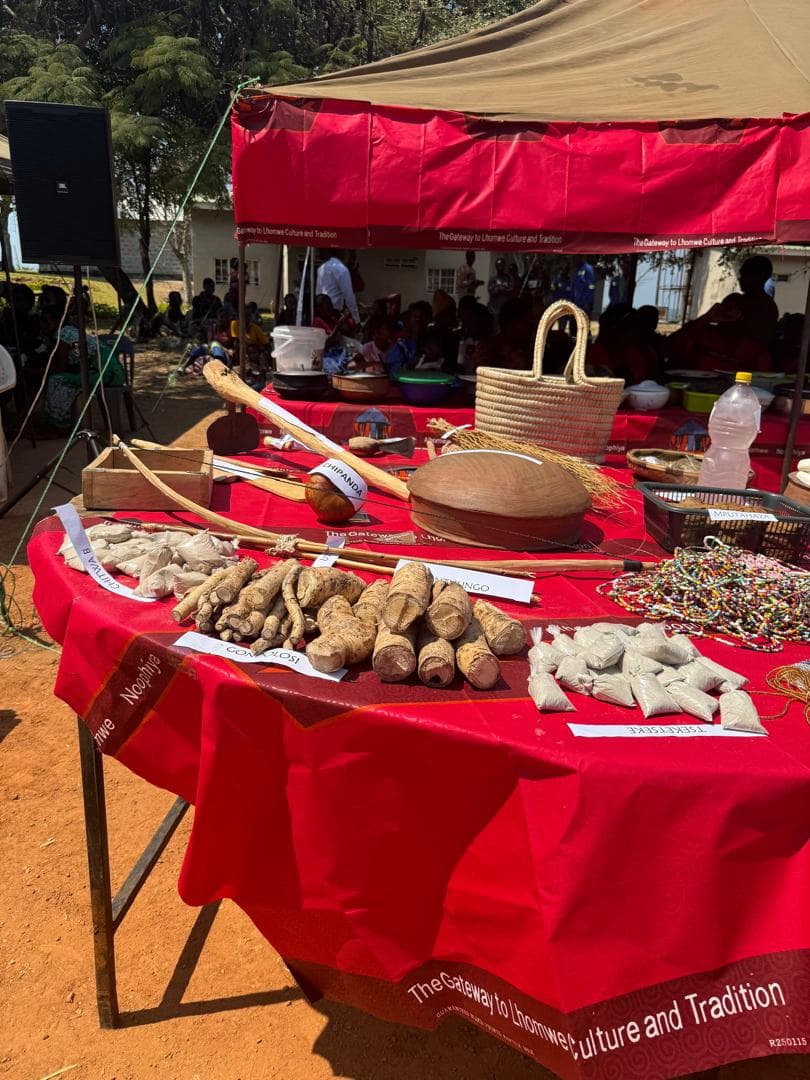
Artifacts and Tools
The Lhomwe traditional artefacts display Africa's unique creativity, closely related to spiritual life, history, survival, pride and artistic skills.
The pieces of Lhomwe artefacts include key features like the traditional architectural structures called the Namurukunuwa. Namurukunuwa is a key feature of Lhomwe artistry and symbol of heritage artefacts. farming instruments, hunting tool, kitchen clay pots Musical instruments also comprises of a rich tapestry of Lhomwe tangible heritage with handcrafted instruments like drums, rattles and whistles. Kitchen utensils generally comprise of clay pots, wooden stirrer weaved food baskets made from bamboos. The Lhomwe traditional attire used to be a cloth made from mombo tree. But in recent time the signature colour has been red which is mostly worn during celebrations, grief and other occasions. These are also complimented by adornments. The key feature of the artefact reveals the existence of intangible cultural heritage of the Lhomwe people.
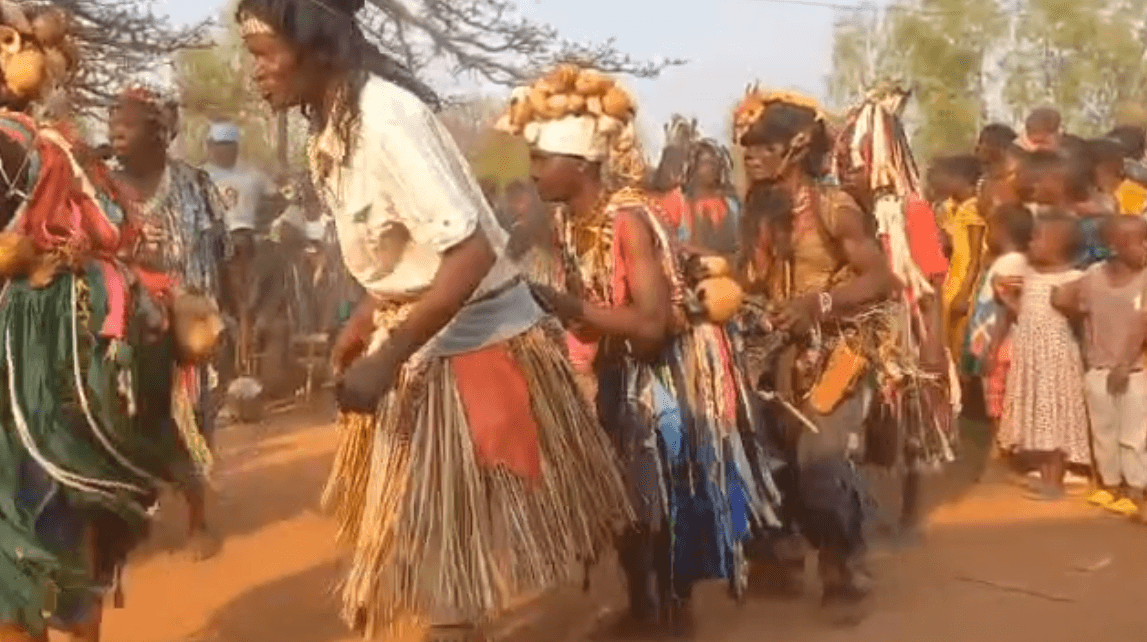
Music and Traditional Dances
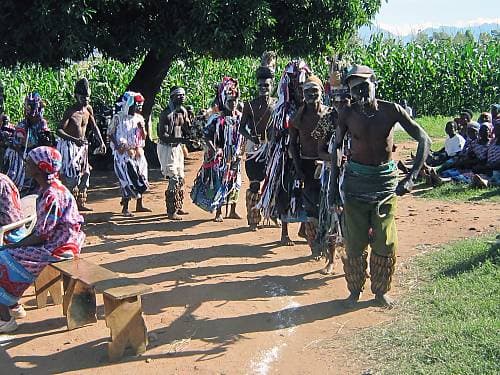
Lhomwe traditional dances are a combination of dancing skills, singing, drum beats and unique descriptive costumes depicting cultural celebration and respect for ancestral spirits.
Through the Mulhako wa Alhomwe Annual Cultural Festival Celebration and projects like Sharing Stories through Lhomwe Traditional Dances in the Changing World, a project funded by Copyright Fund of Malawi, Lhomwes have documented over 15 unique dances comprising of precise dancing skills and coordinated steps. Of this the Tchopa dance, the sacrificial dance of the Lhomwe people which is on the List of UNESCO's Representative List of ICH for Humanity remain the main dance. The dance comprised of 20 to 30 dances arranged in circle crossing each other in unique dance steps and formation. The Tchopa dancers carry different items namely farming tools, animal skins, puppets, hunting equipment and kitchen utensils. As sacrificial dance, these items represent the Lhomwe's community life and the quest to honour and seek intervention of the spiritual ancestors. The dance is spiced up by different sizes of drums that are the sources of rhythmic pattern for the dancers. The ceremonial atmosphere is also led by the whistlers who normally guide the dance tempo. Tchopa and many dancer are a key sources of cultural storytelling and recently are being used for language preservation. In essence traditional dances like Ophtywa Mwana, Elaphrahama, Malaphi, Eraphala, Musila, Esekhere, Jiri, Mabirila, Likwata Mganda and others consists of stricted group formation, rhythmic drumming, symbolic costumes, defined dancing role and strong community connection. The Lhomwe traditional dances are a unique platform of celebrating and preserving our cultural heritage.
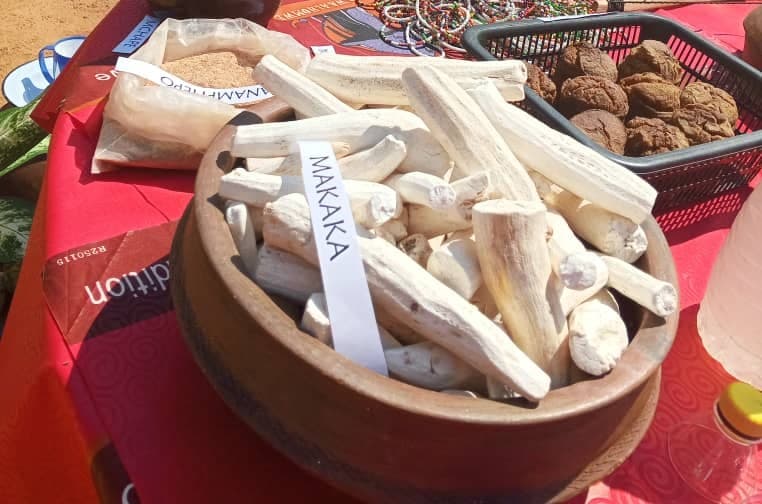
Food and Livestock
The Lhomwe traditional cuisine comprises of makaka (dried cassava), kalongonda made from legumes (buffalo beans), and nsima made from maize — integral staples of Lhomwe food culture.
The Lhomwe traditional cuisine comprises of makaka (dried cassava), these are made from pounding the dried cassava and eaten as main meal moslty taken with nandolo. There is also kalongonda made from legumes (buffalo beans). While these have remained integral part of the Lhomwe traditional cuisines, in modern times many Llhomwe people are also eating nsima made from maize. Like many African tribes, Lhomwes also eat mbewa, selcted fish types and pork meat. While masese, kachasu, nthubulo comprise of the integral part of Lhomwe traditional beverages. Apart from hunting wild animals, the Lhomwe people also keeps livestock namely chicken, pigs and goats. Cattle are not common in Lhomwe culture but in modern times it is not strange to see Lhomwe dishes containing beef. Lhomwe's were predominantly subsistence famers which is the key source of family nutrition and food availability.
Flagship Cultural Events
Annual Cultural Festival
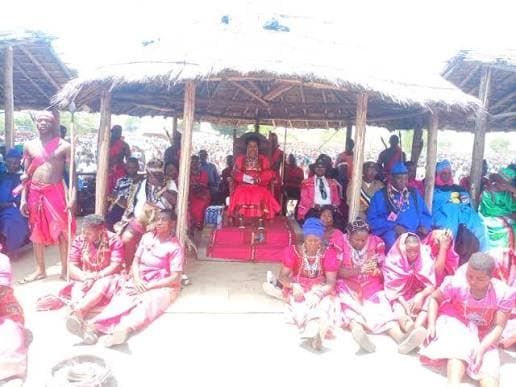
The flagship Mulhako wa Alhomwe celebration with music, dance, and traditional ceremonies.
Zone Level Festivals
Community celebrations across zones that preserve local traditions and unite families.
Seasonal Offering (Kuthila Msembe)
Traditional ceremonies honoring ancestral customs and connecting the community with its heritage.